
2026-08-31 · William Brown
Protecting Irrigation Lines from Freezing in Peoria Winters
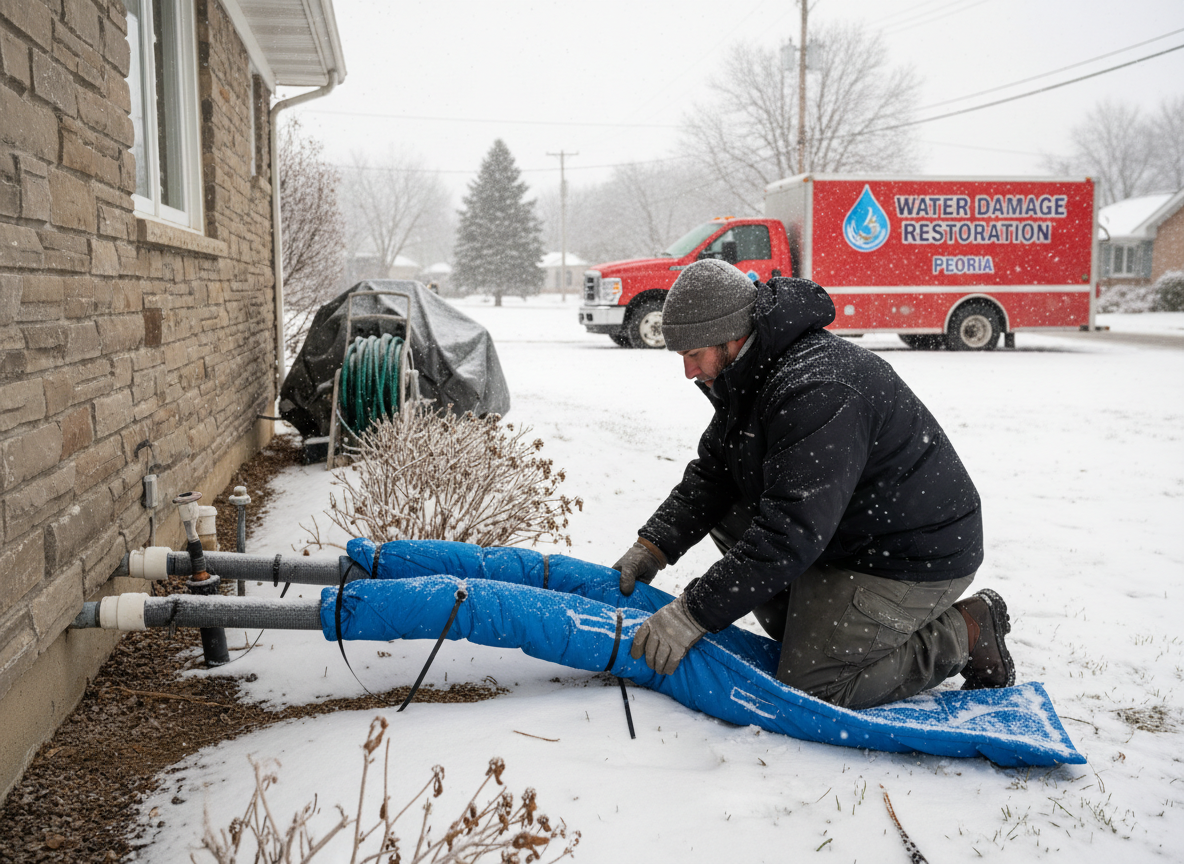
Peoria's mild winters rarely push temperatures below freezing for long, yet lines left full overnight can still burst when lows dip near 32 degrees in neighborhoods like Old Town Peoria and Vistancia. Draining the system before cold nights and adding insulation around exposed sections keeps water moving or removes it entirely so pipes stay intact.
Peoria Winter Patterns and Irrigation Line Risks
Maricopa County experiences hot desert summers followed by mild winters where daytime highs often reach the 60s while overnight lows occasionally fall into the upper 20s. These swings matter most in older sections of Old Town Peoria where irrigation systems installed decades ago sit closer to the surface. Newer subdivisions near Lake Pleasant Regional Park and in Vistancia use PVC lines that still crack when water expands inside them during rare hard freezes. Homeowners who leave timers running through December and January increase the chance of a sudden break that sends water across yards and into foundations. Checking the forecast at 7380 W Olive Ave before any cold snap lets crews prepare lines in advance rather than respond after damage appears.
Identifying Vulnerable Lines Around Local Properties
Homes built before 1990 in Old Town Peoria often route irrigation lines under patios or along south-facing walls where daytime sun keeps them warmer but overnight cold still reaches them. Properties near Rio Vista Park and the Peoria Sports Complex frequently have backflow preventers and valve boxes that sit above grade and hold standing water. In Vistancia, newer homes place lines deeper yet still leave hose bibs and drip emitters exposed along rock borders. Walk the perimeter each fall and note any sections without foam covers or shutoff valves. Lines running parallel to driveways or near Lake Pleasant Regional Park access roads also face extra wind that accelerates heat loss. Marking these spots on a simple map helps prioritize protection before the first forecast below 35 degrees.
Draining and Insulating Steps That Work Here
Shut off the main irrigation valve at the backflow preventer, then open every zone valve and hose bib to let water drain completely. Use compressed air at 40-50 psi for two to three minutes per zone to clear remaining moisture from drip lines and rotors common in Peoria yards. Wrap exposed PVC and copper sections with 1/2-inch foam pipe insulation secured by tape, paying special attention to valves near the house foundation. Add insulated covers over backflow devices and timer boxes. In areas like Vistancia where lines run under gravel, lift a few rocks to confirm no standing water remains in low spots. Perform this routine after the last scheduled watering in November and again if a hard freeze is predicted. These steps take under an hour yet prevent the majority of irrigation-related bursts seen each winter.
Handling a Burst and Limiting Secondary Damage
If a line does freeze and split, shut off the zone immediately and note the location before water spreads into the home or garage. Burst pipe and plumbing leak cleanup crews respond quickly to extract standing water before it reaches drywall or slab edges. Water extraction and removal prevents mold growth that can start within 24-48 hours in Peoria's dry air once moisture soaks carpet pads or baseboards. Older homes in Old Town Peoria often have crawl spaces or slab leaks that complicate drying, making prompt professional help essential. Review common sources of water intrusion in older Peoria neighborhoods to spot patterns that repeat after cold snaps. Follow up with preventing secondary damage after water extraction in Peoria so repairs stay limited to the affected zone rather than the entire structure.